
Choose the loading cycle for your job
A single container can suit work with one identifiable load and a clear finish. For continuing work, explain whether different phases or a larger amount may require additional loads. Request advice before assuming that one size or one removal covers the whole project.
Ask what happens when the accepted load is ready. Collection removes that container; an exchange also requires another container to be arranged. Identify which service you want and confirm its terms, timing and availability for the property.
Give the offered container room to work
Share the approach, standing area and surrounding restrictions with the rental contact. Delivery and removal involve handling equipment, not just the footprint occupied during the hire. A vehicle parking space alone is not proof that the operation will fit.
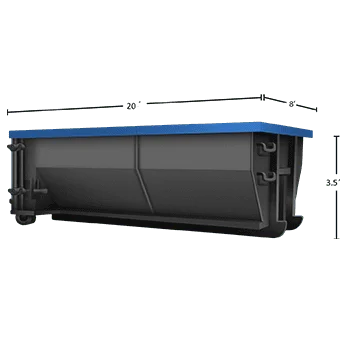
Confirm any loading access on the actual model. Follow its instructions for loading level and accepted contents. Do not relocate, modify or attempt to lift the container yourself. Have a changed material stream reviewed before adding it to the load.
Keep changes visible before the next movement
Work around a container can alter the available approach. Tell the provider about a changed entrance, obstruction or proposed position before the next handling visit. Preserve the accepted access instead of leaving an unresolved problem for collection day.
Send the Kingsport address, dates and material description for a quote. Review load limits, the period of hire, transport and any exchange separately. If temporary restrooms are required too, request them as a separate service so their users and care remain clear of the loading operation.
Questions before you book
Is keeping a container longer the same as ordering an exchange?
No. An extension retains the equipment for an agreed longer period. An exchange involves removing a load and arranging another container. Confirm the service needed and its terms.